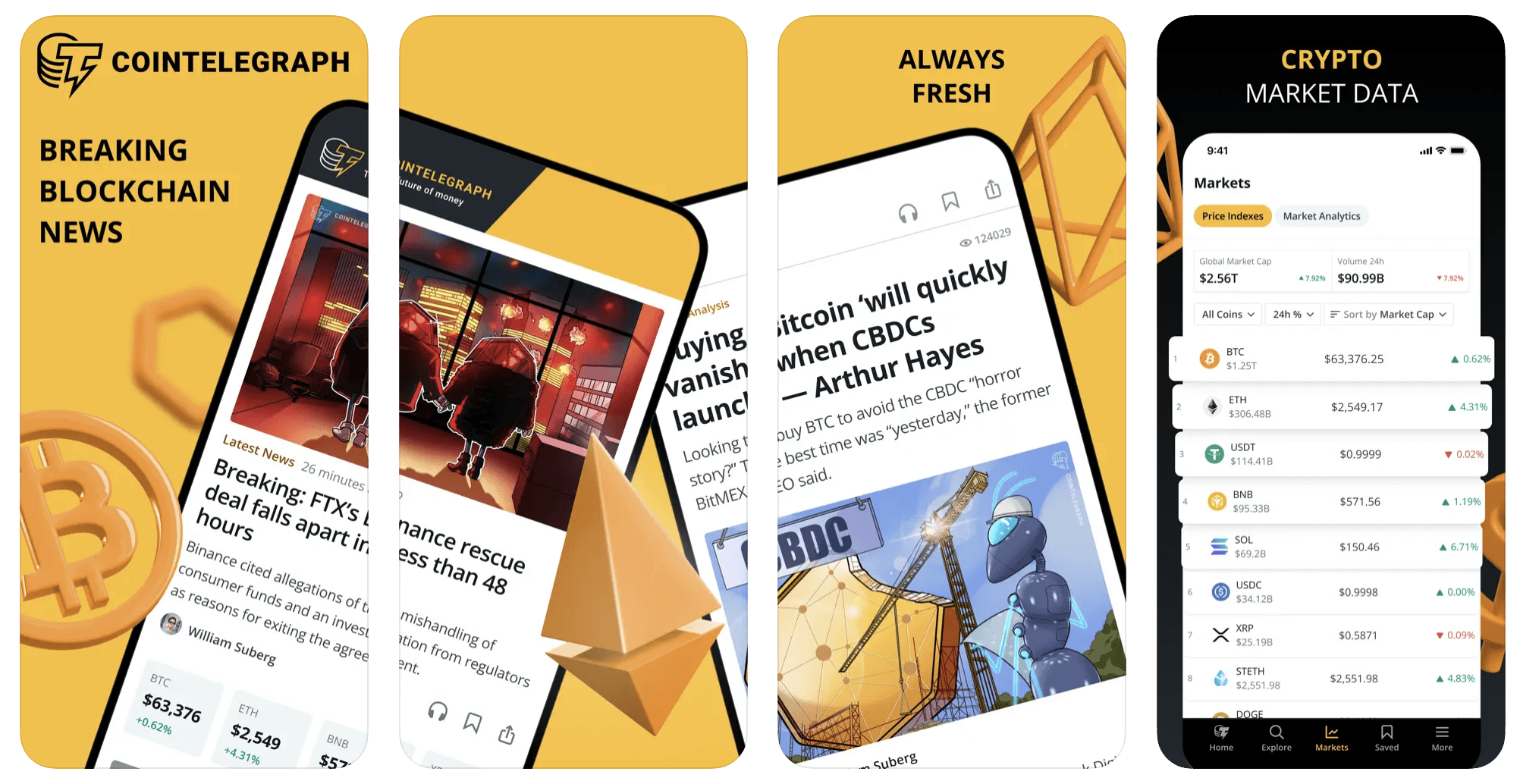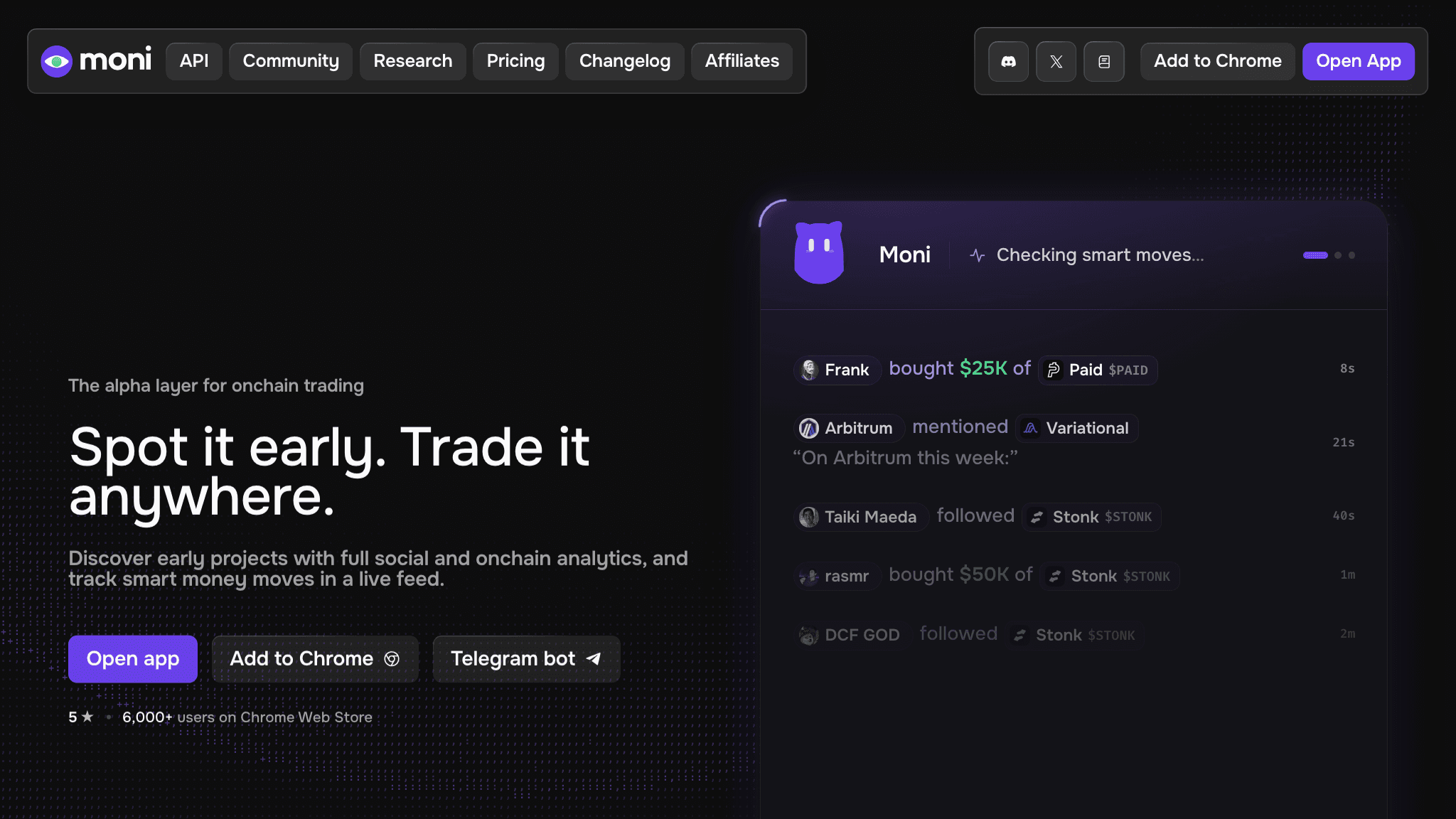
Moni is a crypto and DeFi portfolio tracking platform that helps users manage wallets and exchange accounts across mobile and web. It aggregates holdings across chains and exchanges into one view, which only works if the numbers are right and consistent everywhere the user looks.
I contributed to web and mobile product development with React.js, React Native, TypeScript and Redux, working on portfolio tracking and user-facing crypto features delivered on iOS, Android and the web.
Many wallets, one trustworthy total
Situation
Users connect several wallets and exchange accounts. If the combined portfolio does not add up, or two screens show different balances, people stop trusting the product with their money.
How I handled it
I worked on the multi-wallet aggregation UI with typed TypeScript models for wallets, holdings and prices, and used Redux as the single place where balances and prices live.
Outcome
A portfolio dashboard where totals and per-wallet views agree.
- Data integrity
- Redux
- Crypto domain
The same product on web, iOS and Android
Situation
Users check their portfolio on whichever device is at hand. Different behaviour between web and mobile feels like two different products.
How I handled it
I shared logic and types between React.js on the web and React Native on mobile, and paid attention to keeping behaviour consistent across platforms.
Outcome
A consistent experience across iOS, Android and the web from a shared TypeScript foundation.
- Cross-platform
- Consistency
- React Native
DeFi positions that stay readable as prices move
Situation
DeFi holdings and prices change constantly, and dense crypto data quickly becomes noise on a small screen.
How I handled it
I built holdings and performance interfaces that present positions and their changes clearly, prioritising what users check most often.
Outcome
Clean, responsive DeFi tracking views on mobile and web.
- UX for dense data
- Real-time UI
- 1
Connectthe user adds wallets and exchange accounts
- 2
Aggregateholdings are combined into one portfolio
- 3
Pricereal-time prices update balances in the Redux store
- 4
Reviewdashboard, per-wallet and DeFi views show the same data on every platform
- 01
- 02
- 03
- 04
Working on web and mobile at once meant coordinating constantly so the platforms did not drift apart. I kept shared code clear and documented my changes in reviews, so a fix on one platform did not surprise the people working on the other.
| Technology | How I used it |
|---|---|
| React.js | Web version of the portfolio tracker |
| React Native | Mobile app for iOS and Android |
| iOS | Platform target for the mobile app |
| Android | Platform target for the mobile app |
| TypeScript | Typed wallets, holdings and prices shared across platforms |
| Redux | Single store for real-time crypto data and portfolio state |
| Redux Toolkit | Typed slices for portfolios, prices and user settings |
| Lightweight Charts | Price charts for crypto assets on web and mobile |
| GraphQL | Fetching market data, news and portfolio positions |
| Firebase | Push notifications for price alerts and market news |
| Storybook | Shared component library across the web and mobile apps |
| Jest | Unit tests for price formatting, portfolio maths and reducers |
| React Testing Library | Component tests for charts, lists and alert settings |
| Google Analytics | Measuring feature use across the trading and news screens |
| SonarQube | Code quality checks on both codebases |
Key areas of work:
- Portfolio dashboard and multi-wallet aggregation UI
- DeFi holdings and performance tracking interfaces
- React Native app for iOS and Android
- Redux state management for real-time crypto data
- Cross-platform consistency between web and mobile experiences